Recipes
What Is Torshi? A Beginner's Guide to Persian Pickled Vegetables
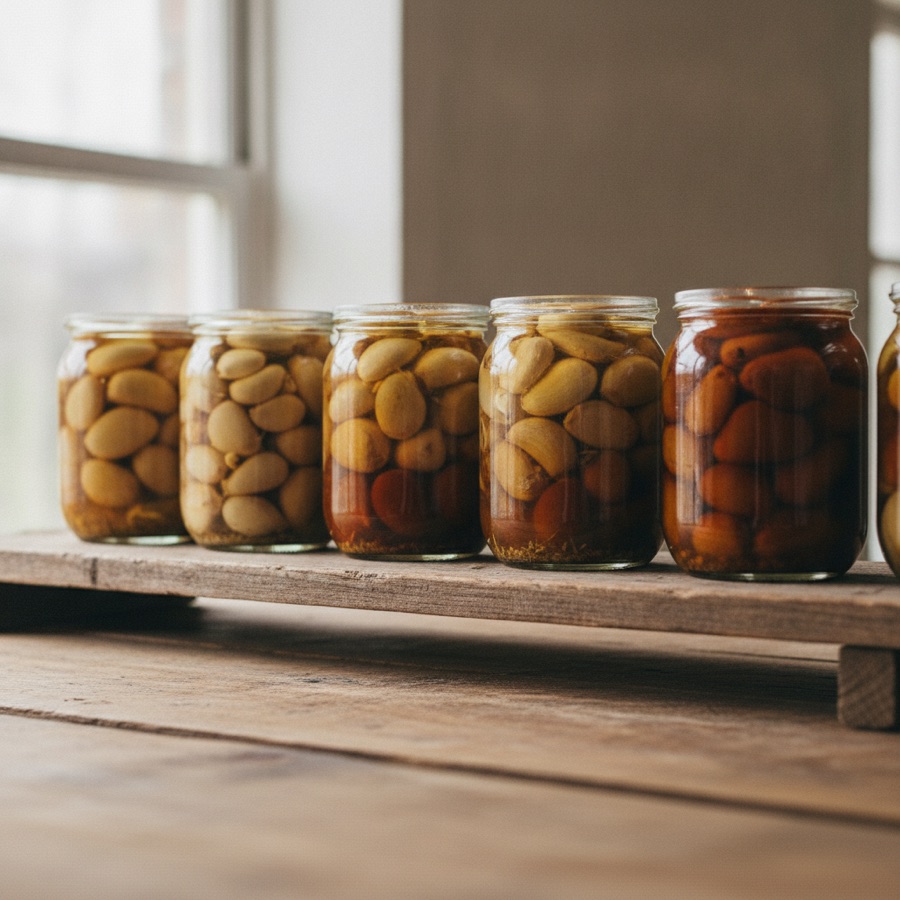
Walk into any Iranian home during a meal and you will find a jar of torshi on the table. It might be a deep, dark paste of fermented eggplant. It might be a bright jumble of pickled cauliflower and carrots. It might be whole cloves of garlic turned sweet and mellow in vinegar. Whatever the variety, torshi is as fundamental to Persian cooking as rice itself — and yet most people outside Iran have never heard of it.
What torshi actually is
Torshi (from the Persian word “torsh,” meaning sour) is the broad term for Persian pickled and fermented vegetables. Unlike Western pickles, which are usually single-vegetable affairs cured in a simple brine, torshi is a craft. Each variety has its own recipe and its own personality. All rely on vinegar, salt, and care — never artificial preservatives, never shortcuts.
The tradition stretches back centuries in Iran, where every household had its own recipes passed from mother to daughter. The specific blend of herbs, the ratio of vinegar to salt, the choice of vegetables — these were family signatures, as personal as handwriting.
How it is different from Western pickles
If your idea of a pickle is a cucumber in dill brine, torshi will surprise you. The differences are significant:
Complexity. A jar of torshi might contain ten or more ingredients — vegetables, fresh herbs, dried spices, garlic, sometimes ground walnuts. Each component contributes something.
Care. Every jar follows a family recipe, made by hand and prepared fresh for each order. The depth comes from the balance of vinegar, salt, herbs, and spice — not from shortcuts.
Texture range. Torshi is not always crunchy. Liteh is smooth and spreadable. Seer is soft and almost jammy. Haft Bijar keeps its crunch. The variety is part of the tradition.
Role at the table. Western pickles are often an accessory — a burger topping, a side garnish. Torshi is a course participant. It sits on the table for the entire meal, and diners take spoonfuls throughout, adjusting each bite.
The varieties Maryam makes
In her home kitchen in Chicago, Maryam crafts four classic varieties by hand, in small batches:
Torshi Liteh — a rich eggplant relish, dense and complex, with a medium heat that builds gradually. The flagship, and her personal favorite.
Torshi Haft Bijar — a crisp mixed vegetable pickle (cauliflower, carrots, and cucumber) with gentle heat. The most approachable variety, and the one Maryam recommends to anyone trying torshi for the first time.
Torshi Seer — whole garlic cloves mellowed and sweet in vinegar. The garlic loses its bite and becomes mellow, almost fruit-like. The most unusual variety, a conversation starter at any table.
Shour — a nostalgic blend of miniature cucumbers, cauliflower, and carrots in a fragrant brine with fresh garlic and dill. Crisp, accessible, and an appetite-awakening classic.
How to store it
Unopened, torshi keeps for months at room temperature in a cool, dark place. Once opened, move the jar to the refrigerator and consume within four to six weeks. The flavor continues to develop even after opening — the last spoonful from a jar often tastes different from the first, deeper and more settled.
How to start
If you have never tried torshi, begin with makhloot. It is the gentlest introduction: crunchy, tangy, mildly spiced, and familiar enough to pair with foods you already eat. Put a spoonful next to your dinner tonight and see what happens. If you want to go deeper, try liteh — its layered flavor will show you why Iranian families have been making this for generations.
Maryam jars everything by hand in her home kitchen in Chicago. Each batch is small, dated, and rested before it ships. Ready to try your first jar? Send an order through the form and let Maryam know you are new to torshi — she will point you in the right direction.